
Backyard Hardscaping in Chico, CA: Patios, Retaining Walls, Ponds & Waterfalls
A backyard should feel like an extension of your home, not an unfinished space you rarely use. Whether you envision an inviting paver patio for entertaining, a natural rock waterfall surrounded by greenery, or a complete backyard transformation, thoughtful hardscape design can dramatically change how you experience your property.
In Chico, California, outdoor living comes with unique opportunities and challenges. Hot summer afternoons, seasonal rainfall, existing trees, drainage conditions, and changing elevations all influence how a landscape should be designed and constructed.
Sal Rodriguez Landscapes provides professional hardscaping and landscape construction in Chico, CA, including custom patios, pavers, retaining walls, walkways, backyard ponds, waterfalls, and complete residential landscape renovations.
Since 2001, we have served Northern California homeowners and businesses with landscape design, installation, and property improvements. Our approach recognizes that a successful backyard is more than a collection of attractive features. It is a complete environment where the hardscape, planting, drainage, irrigation, and outdoor living areas work together.
If you're considering a new outdoor space, understanding the construction process and your design options can help you make better decisions before the first paver is installed.
Explore our
professional landscaping services in Chico, or
contact Sal Rodriguez Landscapes for a free project estimate.
What Makes a Great Hardscape Design?
Hardscaping includes the constructed elements that give a landscape structure, function, and definition. Patios create places to gather, walkways establish convenient connections, retaining walls help manage changes in elevation, and decorative stone provides durable transitions between outdoor spaces.
But the quality of a hardscape design is not measured by how much concrete, stone, or paving is installed. It is measured by how successfully those materials improve the property.
Consider a backyard that has plenty of space but no comfortable place to sit. Adding an appropriately sized patio may make the area more inviting. However, if the patio receives direct afternoon sunlight, blocks a natural pathway, or creates drainage problems, the finished improvement may be less useful than expected.
This is why professional hardscape planning should begin with an evaluation of the entire outdoor environment.
Where does water collect after a storm? Which areas receive the strongest afternoon sun? Will mature trees eventually shade the patio? How will guests move between the house, seating areas, lawn, and garden?
Answering these questions helps establish a practical foundation for the project.
A well-planned backyard can incorporate several different features while maintaining a natural sense of flow. The finished landscape should feel connected rather than divided into unrelated areas.
Custom Patio Design & Installation in Chico
A new patio is often one of the most meaningful improvements a homeowner can make to an outdoor space. It creates a defined destination for gathering with family, entertaining friends, grilling, dining, or simply enjoying the backyard.
However, the most successful patios are designed around how they will actually be used.
A couple looking for a quiet seating area may need a different layout than a family planning an outdoor dining space for frequent gatherings. Likewise, a patio intended to complement a pond or waterfall may benefit from a different location than one designed primarily for convenient access from the kitchen.
Sal Rodriguez Landscapes incorporates patio construction into larger residential landscape design and installation projects, allowing the finished patio to complement planting, walkways, retaining walls, and other outdoor features.
Choosing the Right Patio Location
Patio placement influences comfort, convenience, appearance, and long-term usability.
In Chico, summer heat deserves particular attention. A large, unshaded patio positioned against a west-facing wall may become uncomfortable during the hottest part of the afternoon.
A more thoughtful design might use existing shade, introduce strategically located trees, or position the primary seating area where it can be enjoyed during the times homeowners are most likely to use it.
The location should also provide practical access to the house and surrounding landscape. Guests should be able to move naturally between dining, seating, and garden areas without navigating awkward changes in elevation or crossing planting beds.
Drainage is another essential consideration. Patio surfaces should be planned with surrounding grades and water movement in mind so runoff does not create unnecessary problems elsewhere on the property.
How Large Should a Backyard Patio Be?
Patio size should be determined by function rather than simply using all available space.
A dining table, chairs, outdoor furniture, and walking space can occupy more room than homeowners initially expect. A patio that looks generous on paper may feel crowded once furnished.
On the other hand, oversized hardscaping can unnecessarily reduce lawn, garden, or planting space.
The goal is to establish a balanced layout that accommodates furniture comfortably while preserving enough room for the surrounding landscape.
This is particularly important when a patio is part of a larger backyard renovation that may also include a pond, retaining wall, water feature, or outdoor cooking area.
Paver Patios, Concrete & Natural Stone: Which Is Right for Your Backyard?
Material selection is one of the most visible decisions in patio construction, but appearance should not be the only factor.
Pavers, concrete, and natural stone can each create attractive outdoor spaces. Their suitability depends on the project design, budget, site conditions, installation requirements, and the homeowner's maintenance expectations.
Paver Patios for Flexible Outdoor Design
Pavers offer a wide range of colors, shapes, patterns, and design possibilities. They can create distinct seating areas, attractive borders, curved transitions, and coordinated walkways throughout the landscape.
Individual paving units can also allow localized repairs when necessary, although proper base preparation, joint maintenance, and installation remain important.
A well-designed paver patio should coordinate with the home's exterior, surrounding stonework, and nearby landscaping.
Concrete Patios for Clean, Functional Spaces
Concrete can provide a continuous surface that works well for straightforward patios and certain contemporary outdoor designs.
Different finish options may influence texture and appearance, while control joints, soil conditions, reinforcement where appropriate, and site preparation affect long-term performance.
Concrete can develop cracks or surface wear, so the construction approach should reflect the property's conditions rather than appearance alone.
Natural Stone for Character & Texture
Natural stone introduces irregular patterns, texture, and variation that can complement gardens, waterfalls, and naturalistic landscape designs.
It may be particularly appealing where homeowners want the hardscape to feel integrated with surrounding rock and vegetation.
However, stone thickness, surface characteristics, installation method, and material cost should be considered before selection.
For homeowners and contractors researching available products, the Sal Rodriguez Landscapes Chico Garden Center & Nursery offers landscape materials and hardscape supply options. Contact the location to confirm current product availability.
The best patio material is not necessarily the most expensive. It is the material that best supports the property's design, intended use, and long-term maintenance requirements.
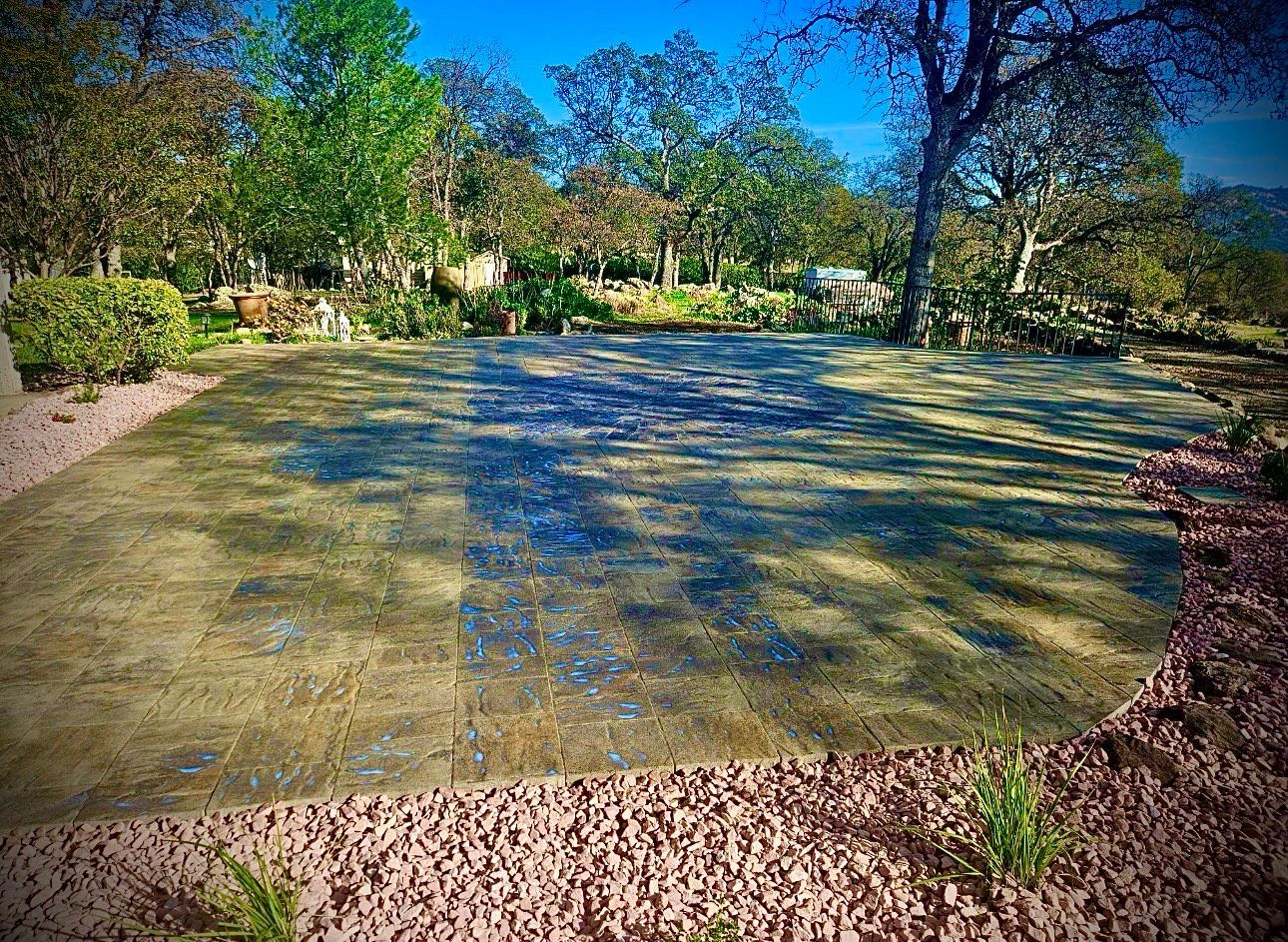
Retaining Walls: Turning Challenging Terrain Into Usable Landscape
Not every Chico backyard is flat or easy to develop.
Some properties have sloped sections, uneven terrain, drainage challenges, or elevation changes that limit where patios and walkways can be installed.
A properly planned retaining wall may help manage these conditions while creating new opportunities for landscape improvements.
Retaining walls are often used to support soil, define planting areas, establish terraces, and connect different elevations. In a larger backyard renovation, a wall can help establish a more functional outdoor layout.
Imagine a backyard with a slope that makes a large portion of the property difficult to use. Depending on the site conditions, a retaining wall may become part of a design that creates a usable patio area while preserving attractive planting above or below.
The wall becomes more than a structural feature. It helps organize the entire landscape.
Why Retaining Wall Construction Requires Careful Planning
Retaining-wall design involves more than selecting attractive blocks or stone.
Wall height, soil conditions, drainage, location, surcharge loads, and proximity to other structures can affect the construction requirements.
Water deserves particular attention because accumulated moisture behind a wall can increase pressure and contribute to structural problems.
For this reason, drainage provisions, base preparation, and site-specific design are critical considerations.
Some retaining walls also require permits or professional engineering. The City of Chico's building permit guidance explains when building permits may be necessary, including requirements that affect retaining walls.
Homeowners should confirm applicable requirements before construction rather than assuming a wall is exempt based solely on its appearance or estimated height.
Sal Rodriguez Landscapes provides retaining-wall construction as part of its residential landscaping and hardscape services.
Designing Retaining Walls That Complement the Property
A retaining wall should work visually with the landscape around it.
Material color, texture, nearby planting, patio surfaces, and changes in elevation all influence the finished appearance.
In some landscapes, a wall may be intended to blend with surrounding materials. In others, it can provide a clearly defined edge or strong architectural element.
The important consideration is how the wall supports the larger design rather than treating it as an isolated construction project.
Backyard Ponds & Waterfalls: Creating a Landscape Worth Spending Time In
Few outdoor features transform the atmosphere of a backyard like moving water.
A thoughtfully designed waterfall can introduce the soothing sound of flowing water, while a pond can create a peaceful focal point that connects plants, rocks, pathways, and seating areas.
These features are especially appealing when incorporated into a complete backyard renovation rather than installed without considering the surrounding landscape.
Sal Rodriguez Landscapes provides pond and waterfall design and installation for Chico-area properties, helping homeowners incorporate water features into attractive outdoor environments.
Backyard Pond Design: More Than a Decorative Feature
A pond can become a defining element of the landscape.
The most successful designs consider where the feature will be viewed, how it will be accessed, and how it relates to the rest of the yard.
A pond positioned near a patio may become a destination homeowners enjoy every evening. A garden pond surrounded by natural stone and carefully selected plants can create a different atmosphere, encouraging visitors to explore the landscape.
Practical planning is equally important.
Water circulation, filtration, sunlight, surrounding trees, maintenance access, electrical requirements, and safety considerations all deserve attention before installation.
For example, a pond placed beneath trees that shed substantial amounts of leaves may require additional debris management. A feature positioned in intense sunlight may also have different maintenance requirements from one receiving partial shade.
The goal is to create a water feature that is enjoyable to live with, not simply impressive on installation day.
Natural-Style Waterfalls for Chico Backyards
Waterfalls add movement and sound that can make a backyard feel more inviting.
A natural-style waterfall may incorporate carefully arranged rock, changes in elevation, planting, and recirculating water.
The surrounding landscape plays a major role in the finished appearance. If the rockwork and planting feel disconnected, even an attractive water feature can appear out of place.
A more cohesive design considers how water will move, where the feature will be viewed, how the sound will carry, and how nearby patios and pathways will connect to it.
A waterfall can be especially effective as part of an outdoor retreat designed around a comfortable seating area.
Pond vs. Pondless Waterfall: What Should Homeowners Consider?
A traditional pond offers an exposed body of water that may become a prominent landscape feature.
A pondless waterfall typically recirculates water through a concealed reservoir, allowing homeowners to enjoy moving water without a larger visible pond.
The right approach depends on available space, desired appearance, budget, safety considerations, and willingness to maintain the system.
Neither option is completely maintenance-free. Pumps, water levels, debris, and circulation components still require attention.
Homeowners should discuss the possibilities with a qualified landscape professional before deciding which type of water feature best suits their property.
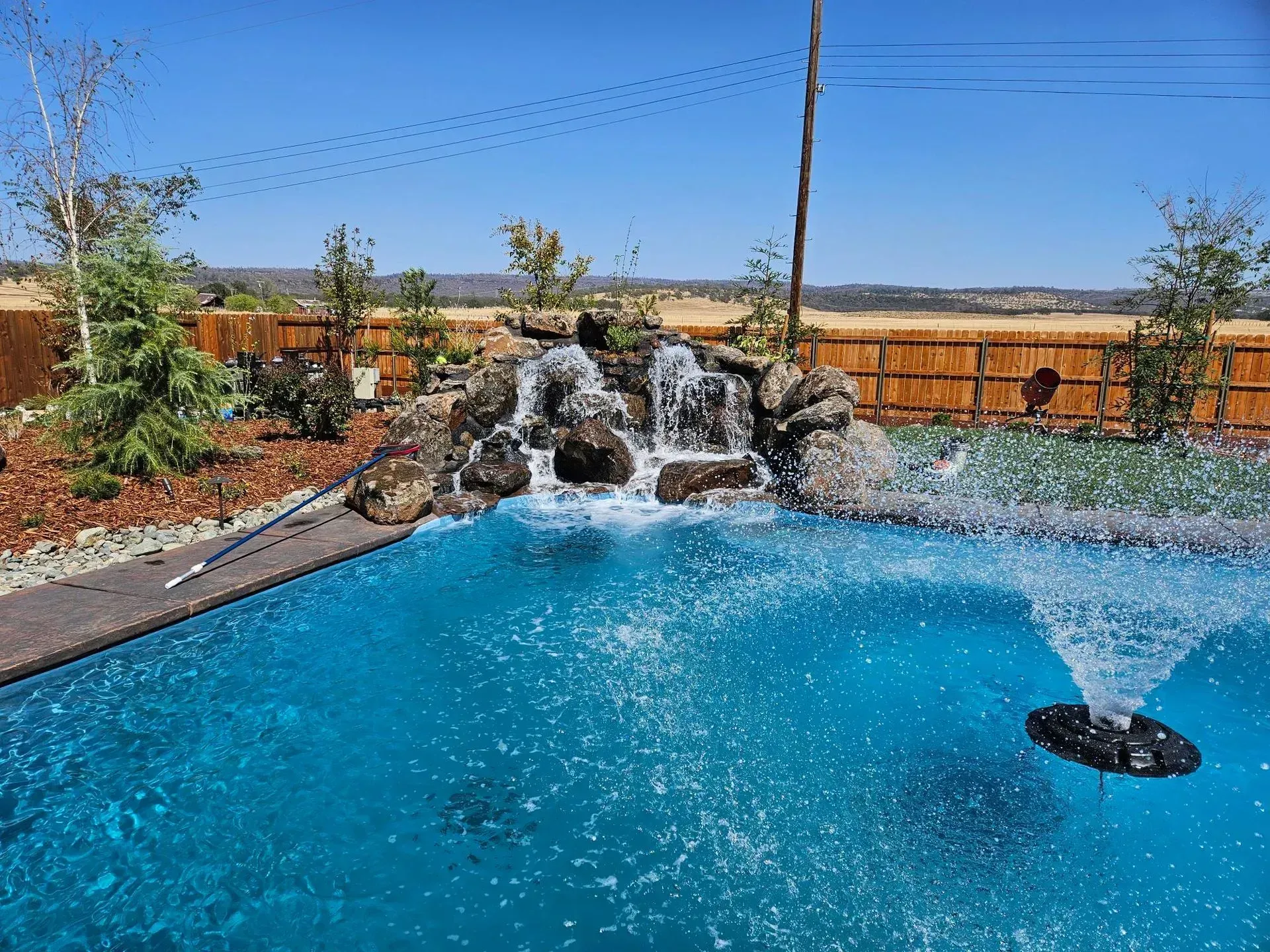
Ready to Explore a Pond or Waterfall for Your Backyard?
If you're envisioning a natural-looking waterfall beside your patio or a pond that becomes the centerpiece of your garden, Sal Rodriguez Landscapes can help you discuss the design possibilities.
Complete Backyard Remodeling: When the Entire Property Needs a New Direction
Sometimes the best solution is not adding one feature. It is reconsidering how the entire outdoor space functions.
An older backyard may have an undersized patio, awkward pathways, overgrown planting, outdated irrigation, drainage problems, or areas that have become difficult to maintain.
A complete backyard remodel allows these issues to be addressed as part of one coordinated plan.
For example, replacing an aging patio may create an opportunity to adjust walkways, improve drainage, introduce new shade trees, and establish a seating area overlooking a waterfall.
A property with a slope might benefit from a combination of retaining walls, hardscape terraces, planting beds, and improved circulation.
A landscape originally designed around extensive lawn may be reimagined with defined outdoor living areas, ornamental planting, and decorative materials.
What matters is how the improvements work together.
Why the Order of Construction Matters
The sequence of a landscape renovation can affect the complexity and cost of the project.
Major grading, drainage considerations, underground utility work, and irrigation modifications often need attention before finished hardscape surfaces and planting are installed.
Building a patio before determining the location of a future water feature could create unnecessary complications if underground lines or access routes must later be changed.
Similarly, introducing mature landscape plants without considering future construction may create avoidable conflicts.
A coordinated construction plan helps reduce these problems by considering the full project rather than making one decision at a time.
For homeowners considering a major improvement, our residential landscape design and construction services provide a starting point for discussing a complete outdoor transformation.
What Quality Hardscape Construction Depends On
Homeowners naturally pay attention to the finished appearance of a patio, retaining wall, or walkway.
However, some of the most important construction decisions happen before the visible materials are installed.
Site Preparation & Base Construction
Depending on the project, site preparation may involve removing existing surfaces, excavation, establishing appropriate grades, preparing a suitable base, and compacting materials.
The required approach depends on the type of hardscape, soil conditions, expected use, and installation specifications.
A paver patio designed for pedestrian traffic may have different requirements from a surface expected to support vehicles or heavy equipment.
Proper preparation is not an optional detail. It is part of creating a durable finished installation.
Drainage & Water Movement
Water should be considered during the planning of virtually every major hardscape project.
If rainwater already collects in a low area, installing a patio over that location does not automatically solve the problem.
Surface grades, downspouts, nearby structures, drainage outlets, soil conditions, and surrounding planting can all affect where water travels.
Retaining walls require particular attention because water pressure behind a wall can influence its performance.
Addressing these issues before construction is generally more practical than modifying completed hardscape later.
Coordinating Irrigation & Underground Utilities
A new patio, walkway, or water feature can change how existing irrigation operates.
Sprinkler lines, valves, electrical components, and other underground utilities may affect construction planning.
Utility locations should be identified before excavation, and proposed work should account for applicable utility-locating and safety requirements.
Planning new planting areas and irrigation zones alongside the hardscape can also help improve the overall efficiency of the finished landscape.
These less-visible decisions often have a major influence on how well the outdoor space functions over time.
Hardscape Design for Chico's Hot Summers & Seasonal Rainfall
A patio that looks attractive in a photograph may not perform equally well in every climate.
Chico's hot, dry summer conditions and wetter winter season make material selection, shade, drainage, and planting design particularly important.
Creating Comfortable Outdoor Areas During Summer
Summer comfort begins with the relationship between hardscape and shade.
Paving exposed to direct sunlight can become hot, particularly when surrounded by reflective walls and other hard surfaces.
The orientation of the patio, existing tree canopy, proposed shade trees, and expected hours of use should influence the design.
A backyard intended for afternoon entertaining may benefit from a different layout than one primarily used during mornings or evenings.
Material color, texture, and nearby vegetation may also affect the experience of the space.
The best design considers how the patio will feel during the season when the homeowner actually wants to use it.
Combining Hardscaping With Water-Conscious Planting
Hardscaping can be incorporated into attractive, water-conscious landscapes, but simply replacing living areas with pavement does not guarantee a better outdoor environment.
Trees, shrubs, mulch, irrigation efficiency, and practical planting design still matter.
The California Department of Water Resources' water-efficient landscaping guidance recommends assessing irrigation, soil, sunlight, and plant selection when renovating a landscape.
The University of California's irrigation guidance also emphasizes grouping plants with similar water requirements and using irrigation appropriately.
For Chico homeowners, these principles can help create a landscape that balances inviting outdoor living spaces with responsible long-term maintenance.
Planning for Winter Weather
Seasonal rainfall can reveal problems that are less obvious during dry summer months.
Water may accumulate beside patios, flow across walkways, or contribute to erosion on sloped areas.
Understanding the property's drainage patterns before construction can influence grading, wall placement, surface materials, and planting design.
The objective is not simply to create an attractive outdoor space in summer. It is to build a landscape that remains functional through changing seasonal conditions.
Choosing Materials That Work Together
A well-designed landscape does not require every feature to use the same material.
However, the colors, textures, and scale of the materials should complement one another.
A paver patio may be paired with decorative stone around planting beds. A retaining wall might coordinate with surrounding walkways. Natural rock may connect a waterfall to adjacent garden areas.
These relationships help create visual continuity across the property.
Material selection should also reflect how the area will be used. Comfortable walking surfaces, appropriate traction, drainage, long-term maintenance, and access requirements deserve consideration.
Because Sal Rodriguez Landscapes operates a local Chico Garden Center & landscape supply location, homeowners and contractors can explore available landscape materials, plants, and outdoor products.
The company also maintains an Oroville Landscape Center serving customers seeking rock, gravel, mulch, soil, pavers, and other landscape materials.
Specific products, sizes, and quantities should always be confirmed before visiting.
How Much Does Backyard Hardscaping Cost in Chico?
Hardscaping costs vary considerably because no two properties have exactly the same conditions or project requirements.
A straightforward patio installation on an accessible, relatively level site involves different work than a backyard transformation requiring excavation, retaining walls, drainage improvements, irrigation changes, and a custom water feature.
Materials also influence project costs.
Pavers, concrete, natural stone, retaining-wall systems, and decorative rock have different material and installation requirements.
Site access can matter as well. A backyard that allows equipment and materials to enter easily may present different logistical challenges from one with narrow access or multiple elevation changes.
The most meaningful estimate is one based on the actual property and a clearly defined scope of work.
What Should Homeowners Look for in a Hardscape Estimate?
An estimate should make it reasonably clear what is being proposed.
For example, if the project involves a paver patio, ask how site preparation, base construction, finished materials, edges, drainage considerations, and cleanup are addressed.
For retaining walls, discuss the proposed wall system and whether engineering, permits, or special drainage provisions may be needed.
For ponds and waterfalls, understand what equipment, water circulation components, and other elements are included in the proposal.
It is also important to clarify any work not included in the quoted price.
Comparing two estimates without understanding the scope can be misleading.
A lower price does not necessarily represent better value if important construction components or site requirements have not been addressed.
Should You Remodel the Entire Backyard at Once?
The answer depends on your goals and budget.
Completing several related improvements as one project can sometimes make construction sequencing and material coordination more straightforward.
However, a phased project may be appropriate when a homeowner wants to spread improvements over time.
If you choose to build in stages, plan the eventual layout before beginning the first stage.
That helps reduce the risk of installing features that must later be removed, relocated, or modified.
How to Choose a Hardscape Contractor in Chico
Hiring a contractor for a patio, retaining wall, or backyard renovation is an important decision.
Attractive project photos can help you evaluate design style, but they should not be the only consideration.
Look for a contractor who understands the type of construction involved and can discuss how the proposed work will function on your property.
Ask how site preparation, drainage, materials, and surrounding landscape features will be considered.
For a larger remodel, discuss how hardscape construction will be coordinated with planting and irrigation.
Verify Licensing & Understand the Scope of Work
Before hiring a contractor, homeowners should verify the business's license and discuss the proposed scope in writing.
The California Contractors State License Board provides an official tool for checking contractor license information.
Sal Rodriguez Landscapes lists California contractor license #843795 and has served Northern California since 2001.
For any contractor you are evaluating, confirm that the license is appropriate and current for the proposed work.
It is also reasonable to ask about construction access, expected disruption to the yard, permits when applicable, and how project changes will be handled.
A well-informed homeowner is better equipped to evaluate proposals and choose the right approach.
Why Homeowners Choose Sal Rodriguez Landscapes
A complete outdoor improvement involves more than selecting attractive patio materials.
The hardscape, planting, existing trees, drainage, and surrounding landscape should work together.
Sal Rodriguez Landscapes provides landscaping and outdoor construction services throughout Chico and surrounding Northern California communities, including patios, pavers, retaining walls, ponds, waterfalls, walkways, landscape design, and residential landscape renovations.
Our company has served the region since 2001 and operates landscape center locations supporting both professional projects and customers purchasing their own materials.
That combination of landscape construction services and local material resources makes Sal Rodriguez Landscapes a practical option for homeowners planning anything from a single hardscape feature to a complete backyard transformation.
The next step is to identify your priorities, discuss the existing conditions, and determine which improvements make sense for your property.
For more information about the company's services, visit our Chico landscaping page or review our landscaping and garden center FAQs.
Hardscaping & Landscape Construction Near Chico
Although this guide focuses on Chico homeowners, Sal Rodriguez Landscapes also provides landscaping and outdoor improvements in surrounding Northern California communities.
Customers in nearby Durham, Paradise, Oroville, Gridley, and Live Oak can inquire about applicable construction services and project availability.
Homeowners outside Chico can also explore our Oroville landscaping services or Paradise landscape construction and design services.
The scope and availability of work depend on project requirements and location.
Frequently Asked Questions About Hardscaping in Chico
What is hardscaping?
Hardscaping refers to the constructed, non-living portions of a landscape, including patios, pavers, retaining walls, walkways, stone features, and other structural outdoor improvements.
Does Sal Rodriguez Landscapes install patios in Chico?
Yes. Sal Rodriguez Landscapes provides patio, walkway, and hardscape installation as part of its residential landscaping and outdoor improvement services in Chico and surrounding communities.
Are pavers a good choice for backyard patios?
Pavers can be an excellent option for many patios because they offer design flexibility, varied patterns, and attractive finishes. Their suitability depends on the property, intended use, site preparation, and maintenance expectations.
Do I need a permit to build a retaining wall in Chico?
Some retaining walls require permits, depending on wall height, structural conditions, and the loads they support. Review the City of Chico's current building guidance and confirm the requirements for your specific project before construction.
Can a waterfall be added to an existing backyard?
Often, yes. Feasibility depends on available space, grade, utilities, access, water circulation requirements, and how the feature would fit with existing landscaping.
What is the difference between a pond and a pondless waterfall?
A pond contains a visible body of water. A pondless waterfall recirculates water through a concealed reservoir and generally does not have a larger exposed pond. Each option has different design and maintenance considerations.
Can patios, retaining walls, and water features be included in one project?
Yes. These features can be coordinated as part of a complete backyard design. Planning them together may help improve the layout and establish an appropriate construction sequence.
How much does hardscaping cost in Chico?
Pricing depends on the size and complexity of the project, materials, site access, excavation, drainage, grading, and related work. A property-specific estimate provides the most useful information.
Can Sal Rodriguez Landscapes remodel an entire backyard?
Yes. Residential landscape projects may combine patios, walkways, retaining walls, ponds, waterfalls, planting, irrigation improvements, and other outdoor features.
Where can I purchase landscape materials in Chico?
Visit the Sal Rodriguez Landscapes Chico Garden Center & Nursery at 5400 Cana Highway in Chico. Call (530) 990-8638 to confirm current products and availability.
Start Your Backyard Hardscaping Project in Chico, CA
A well-designed backyard creates more opportunities to enjoy your property.
It can mean gathering with friends on a spacious new patio, relaxing beside a natural-looking waterfall, transforming a slope with a retaining wall, or bringing several outdoor improvements together into one cohesive landscape.
The right combination depends on your home, property conditions, budget, and long-term goals.
Whether you're planning one improvement or a complete backyard remodel, Sal Rodriguez Landscapes is ready to discuss your Chico landscape construction project.
Serving Northern California since 2001, we provide professional landscape design, hardscaping, patio installation, retaining walls, ponds, waterfalls, and outdoor property improvements.
Sal Rodriguez Landscapes
Chico Garden Center & Nursery
5400 Cana Highway
Chico, CA 95973
Chico Phone: (530) 990-8638
California Contractor License: #843795
Your next outdoor project starts with a clear plan. Contact Sal Rodriguez Landscapes to discuss how your property can become a more functional, attractive, and enjoyable place to spend time.
Recent Posts